

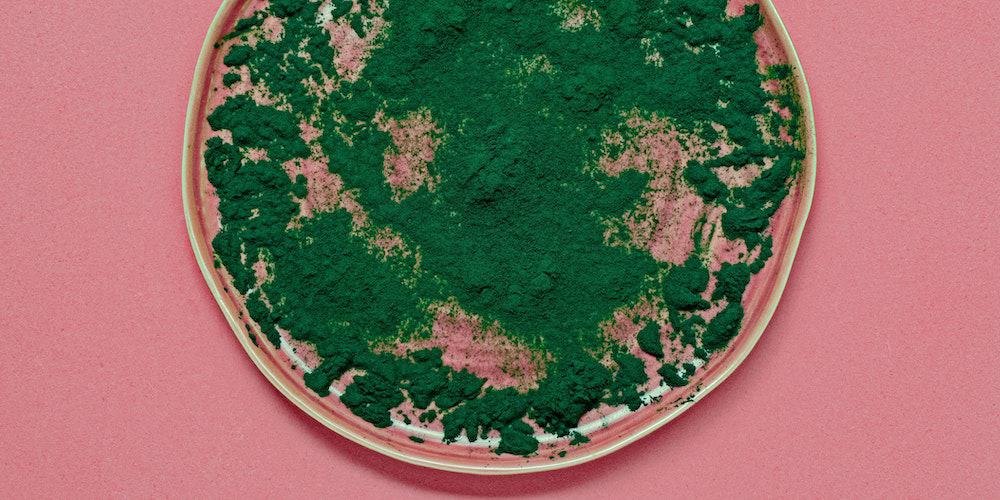
The differences between chlorella and spirulina
A bit of botany…
Chlorella has the scientific name Chlorella vulgaris and appeared on Earth 2.5 billion years ago. It belongs to the family Chlorellaceae, which includes many species of green algae rich in chlorophyll.
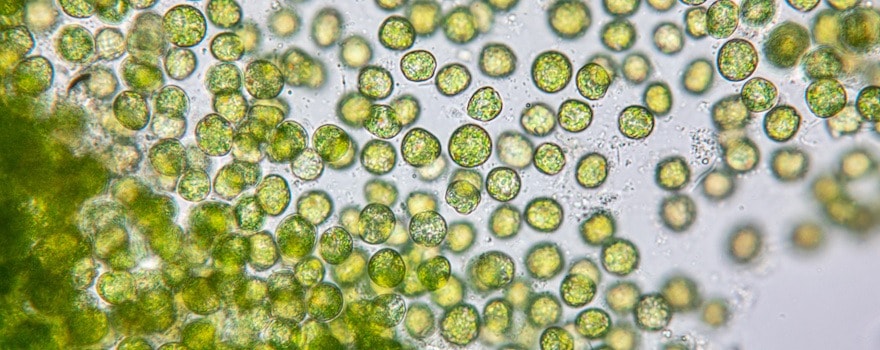
Chlorella is a single-celled alga with a single nucleus. Spherical in shape, it measures barely 5 microns (µm), or 0.005 millimeters. It naturally grows in fresh and salt waters of many temperate regions.
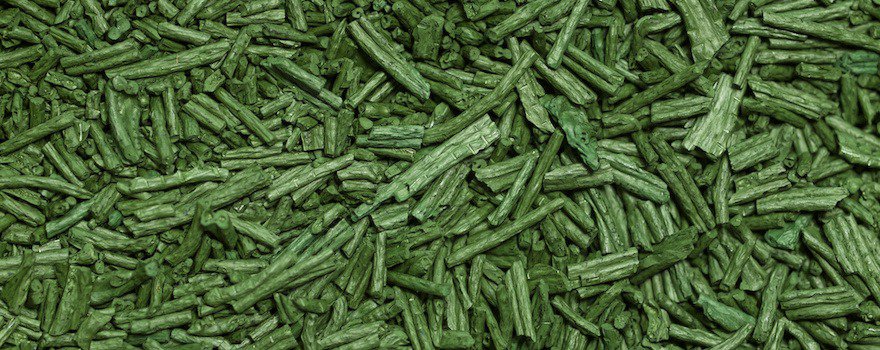
The spirulina, on the other hand, is known as Arthrospira platensis. At 3.5 billion years old, it belongs to the phylum of cyanobacteria, so it is not an alga but microorganisms capable of photosynthesis.
Found in tropical regions, they are bacteria that gather in colonies, only in fresh and alkaline waters. Spirulina contains chlorophyll but also blue and red pigments.
Also read Criteria to consider before buying spirulina
A different nutritional composition
From a nutritional point of view, spirulina and chlorella are exceptional. Essential fatty acids, amino acids, proteins, vitamins, antioxidants… are among the beneficial components they contain.
Both contain 18 amino acids, including the 8 essential for the human body.
They are also rich in antioxidant pigments (chlorophyll, carotenoids), as well as vitamins, minerals and trace elements.
But some nutrients are not present in the same quantities in spirulina as in chlorella. This explains their differences in properties and health benefits.
Chlorella, for example, contains twice as much calcium as spirulina but also more magnesium, zinc, chlorophyll and manganese. It is also richer in vitamin B6 and vitamin E.
Spirulina, on the other hand, contains greater amounts of potassium, iron, vitamin C and vitamin A.
Some nutrients are also present in chlorella while they are absent in spirulina, and vice versa. Thus, unlike spirulina, chlorella contains lutein, vitamin K1, copper and omega-9s.
It is also one of the few superfoods to contain active, bioavailable forms of vitamin B12. The composition of spirulina is distinguished by the presence of many B-group vitamins (B1, B2, B3, B5 and B7), phosphorus, chromium and sodium.
The summary table below will help you see more clearly:
+++ contains the most
✔ contains
X does not contain it
| Chlorella | Spirulina | |
| Calcium | +++ | |
| Magnesium | +++ | |
| Zinc | +++ | |
| Manganese | +++ | |
| Iron | +++ | |
| Potassium | +++ | |
| Phosphorus | +++ | |
| Chromium | +++ | |
| Sodium | +++ | |
| Copper | +++ | |
| Chlorophyll | +++ | |
| Vitamin A | +++ | |
| Vitamine B1 | +++ | |
| Vitamin B2 | +++ | |
| Vitamin B3 | +++ | |
| Vitamin B5 | +++ | |
| Vitamin B6 | +++ | |
| Vitamin B7 | +++ | |
| Vitamin B12 | ✔ | X |
| Vitamin C | +++ | |
| Vitamin E | +++ | |
| Vitamin K1 | ✔ | X |
| Lutein | ✔ | X |
| Omega-3 | +++ | |
| Omega-6 | +++ | |
| Omega-9 | ✔ | X |
What are the benefits of chlorella ?
Chlorella is above all known for its detoxifying action because it contains sporopollenin. But other components of this microalga give it properties that stimulate the body, help prevent disease, and improve mental well-being.
Detoxifies and stimulates the body
Also present in pollen grains, sporopollenin is a natural polymer and a component of chlorella. Its main advantage: it can bind directly to toxins (heavy metals, pollutants, pesticides…). Sporopollenin continues its work until they are eliminated, thereby contributing to the body’s detoxification as shown by this study.
At the same time, chlorella stimulates the immune system and promotes cell regeneration. A property it owes to the Chlorella Growth Factor (CGF), a set of substances present in the nucleus of the microalga. These include vitamins, amino acids, enzymes and other active components that have a beneficial effect on the body’s natural defenses.
Antioxidant and protects against disease
Chlorella is also rich in antioxidant compounds. It contains vitamin C, which prevents the formation of free radicals, vitamin E, which acts against cellular aging, carotenoids and chlorophyll.
Carotenoids protect cells against attacks by free radicals. Chlorophyll, which gives chlorella its characteristic color, also plays a protective role while stimulating the production of new immune cells.
Thanks to its antioxidant action, chlorella prevents diseases and infections promoted by free radicals.
Reduces stress and relieves depression

Chlorella is also an interesting microalga for improving mental well-being, reducing stress and fatigue, and relieving mild depression. Like the chia seeds (Salvia hispanica), the fenugreek (Trigonella foenum-graecum) or the cocoa beans (Theobroma cacao), chlorella contains tryptophan.
The tryptophan is an essential amino acid that plays an important role in the nervous system. And for good reason: it is a precursor to serotonin, which is nothing more than the happiness hormone!
By contributing to its production, tryptophan improves mood, increases the sense of well-being, and helps fight depression, as shown by this study.
Tryptophan also contributes to the production of vitamin B3 (or niacin), which is involved in the regulation of stress-related hormones.
What are the benefits of spirulina ?
Some benefits of spirulina are similar to those of chlorella. It strengthens the immune system, reduces fatigue, fights free radicals, detoxifies… But spirulina has many other health benefits!
Ideal for female and male athletes
Thanks to its antioxidant action, spirulina contributes to the proper functioning of the body and helps prevent many issues in people who are physically active.
Indeed, free radicals are responsible for muscle weakness, increase the risk of injuries, and make recovery after exertion more difficult. As shown by this study, spirulina improves resistance to fatigue and reduces carbohydrate oxidation.
The content of vitamins, minerals and trace elements also has beneficial effects on athletes’ bodies. B-group vitamins, for example, participate in energy metabolism.
Vitamin E has an anti-inflammatory action while iron is involved in oxygen transport.

Reduces cholesterol
Spirulina has a hypocholesterolemic effect — that is, it reduces the level of cholesterol in the blood. Its action is due to the beta-carotene (or provitamin A) it contains.
In addition to being a powerful antioxidant, this pigment reduces the level of LDL cholesterol (or “bad cholesterol”). To do this, it works in collaboration with vitamin E, which promotes vasodilation. Spirulina thus limits the deposit of cholesterol in the arteries, responsible for atherosclerosis.
Helps with weight loss
Spirulina is a useful food for maintaining figure or losing weight. Rich in protein and filling, it also has an appetite-suppressing effect. It is therefore ideal for limiting snacking between meals.
Spirulina is also rich in phenylalanine, an amino acid that helps control weight and gives the body a feeling of satiety.
Chlorella or spirulina : which should you choose ?
Although the effects of chlorella and spirulina perfectly complement each other, it is of course possible to take them separately. To decide which one to choose, you should consider your needs.
When should you use chlorella?
Chlorella is more focused on the detoxification of the body and on preventing winter illnesses by boosting immunity.
Its tryptophan content also makes it more appealing than spirulina for improving mental well-being and alleviating sleep problems. Finally, choose chlorella if you want to lose weight.
When should you use spirulina?
Richer in iron and vitamin C than chlorella, spirulina should be favored to improve athletic performance. It is also recommended to combat free radicals and oxidative stress.
Because of its beta-carotene content, spirulina is also ideal for reducing levels of bad cholesterol.
Two complementary foods
A synergistic effect
The effects of chlorella and spirulina on the body (detoxification, stimulation, protection, etc.) are multiplied when they are consumed simultaneously. Together, chlorella and spirulina form a beneficial cocktail of nutrients.
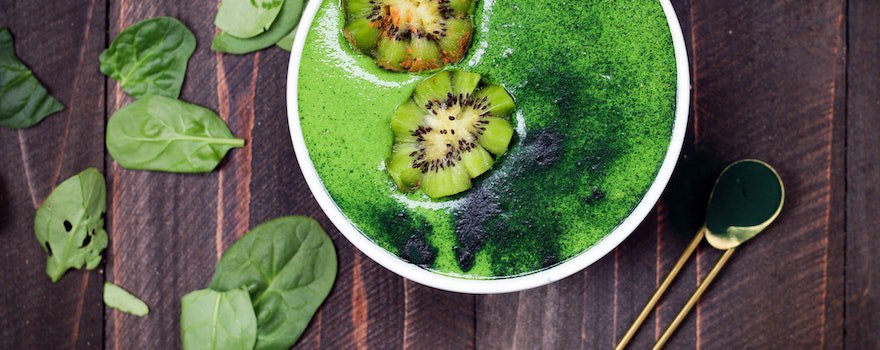
The chlorella/spirulina combination is particularly useful for preventing nutritional deficiencies, notably in vitamins and iron. It is recommended for people who are on a diet, vegetarians, or vegans.
All the more so because chlorella and spirulina can effectively replace animal proteins.
How to consume them ?
To optimize the effects of each, ideally consume chlorella and spirulina in combination or alternately.
In the form of a 2- to 3-month course, the chlorella/spirulina combination helps restore energy and vitality, strengthen the immune system, and prevent winter illnesses and infections.
You can also do a seasonal detox course in spring, taking a break every 3 weeks.
It is also possible to consume chlorella and spirulina alternately. In that case, do a 3-week course of chlorella followed by a 3-week course of spirulina, each separated by a one-week break.
As a general rule, we recommend starting with small doses. Then gradually increase them to the desired dose, depending on how your body reacts.
